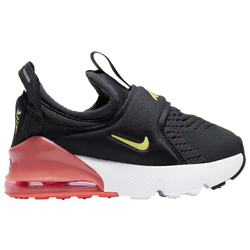
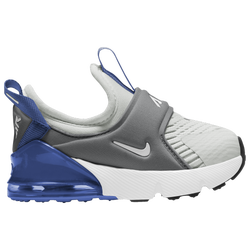
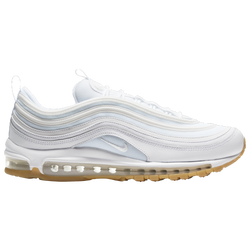
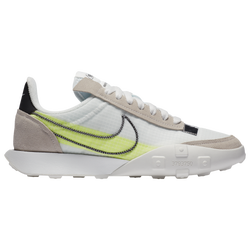
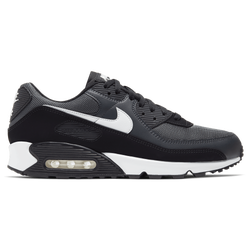
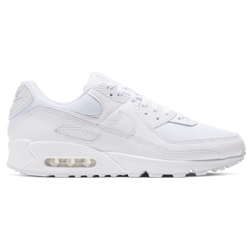
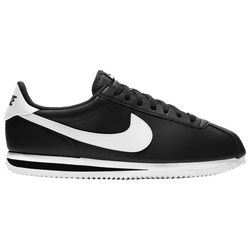
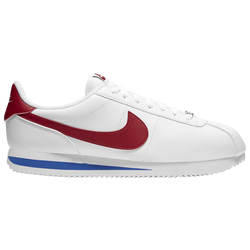
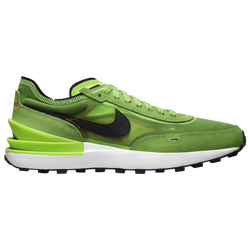
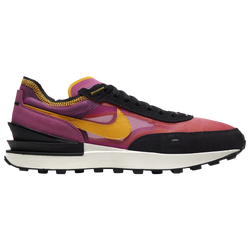
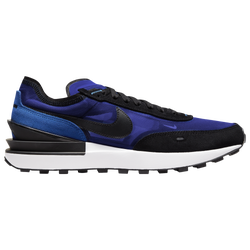
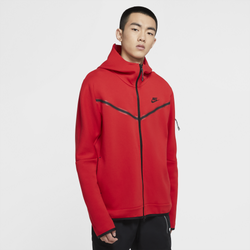
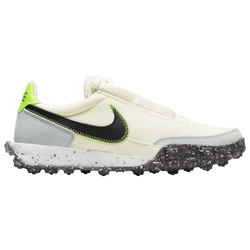
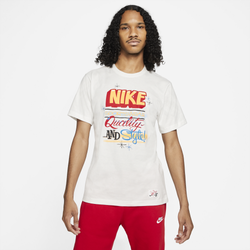
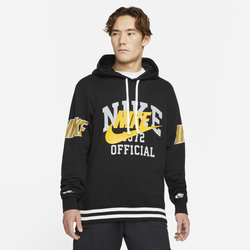
For a company that began by selling another company’s shoes out of the back of a car, and did so under a different name, it’s nothing short of remarkable to realize how far Nike has come. From humble beginnings, Nike has become the globally recognized standard setter for performance products and lifestyle looks.
In the beginning
What began as a partnership in 1964 between track athlete Phil Knight and his University of Oregon coach, Bill Bowerman, initially was known as Blue Ribbon Sports. A few years later, sales of their imported athletic shoes had gained a foothold, but Knight and Bowerman were breaking away from their supplier. So they decided to take the next step and rebrand as …
Dimension Six. OK, that was only Knight’s idea, despite employees telling him it was “unspeakably bad.” He was swayed by Jeff Johnson, the company’s first full-time employee, who had a dream about a name that would be much simpler. So the day before the patent had to be filed in 1971, Knight and Bowerman put it down on paper: Nike, the Greek goddess of victory.
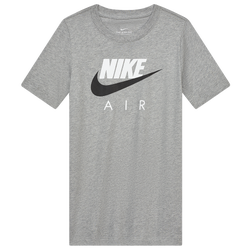
Also that year, the leadership of the fledgling company chose a drawing they’d commissioned from Portland State University art student Carolyn Davidson. You recognize it today as the iconic Swoosh.
Air to the throne
In 1977, aerospace specialist Frank Rudy approached Nike with an innovative idea; to put encapsulated air in the midsole to cushion every step. A year later, the Nike Air Tailwind debuted in a marathon in Honolulu.
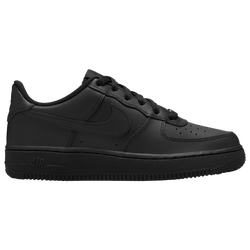
The new cushioning was so successful, Nike expanded it from running to basketball in 1982 with the Nike Air Force 1. Named for the airliner that carries the President of the United States, the shoe eventually ruled the basketball world. By the mid-1980s, Nike had begun re-releasing the Air Force 1, and it’s remained a staple of sneaker culture ever since.
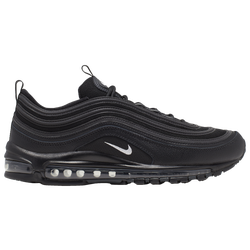
But Nike wasn’t done with its Max Air cushioning system. In 1987, it led a revolution – the Air Revolution, to be precise – rolling out the original Nike Air Max running shoe. What set this runner apart from the pack was its debut of Air you could see. Designer Tinker Hatfield, originally hired by Nike to be an architect, carved some of the midsole away to reveal the Max Air cushioning that lay within.